
Print on Demand
Launch Your Own Product Line — Without Inventory or Risk
Start a Sportswear or Merch Brand with Print-on-Demand
Turn your ideas into premium, sellable products—without managing stock, production, or logistics.
At Standby Studios, we design and prepare print-ready products using trusted print-on-demand systems like Printful, so you can launch faster and scale with confidence.
Who This Is For
Creators and influencers building a personal brand
Start-ups testing a merch or apparel idea
Businesses are adding branded products to their offering
Anyone who wants to launch without upfront inventory costs
What You Get
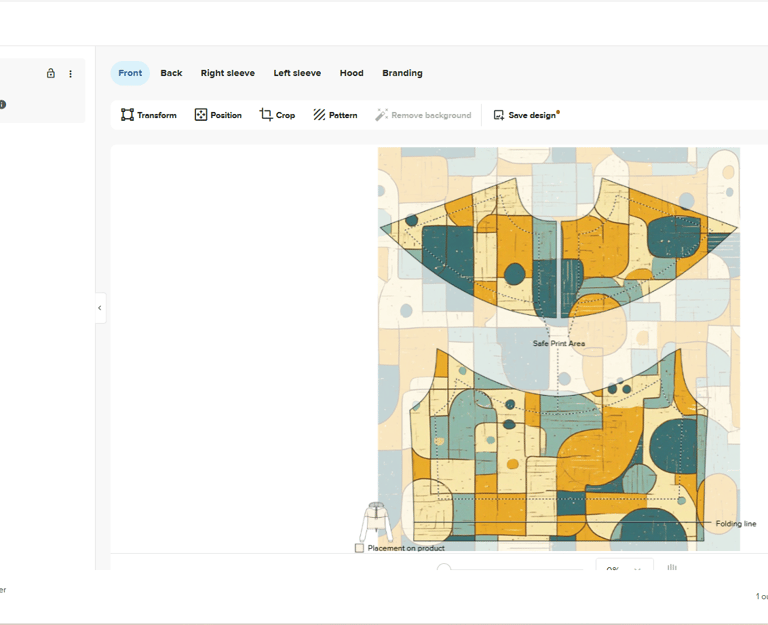
Done-for-you design + setup, ready to sell
Custom-designed sports jerseys and apparel
Print-ready files optimized for Printful
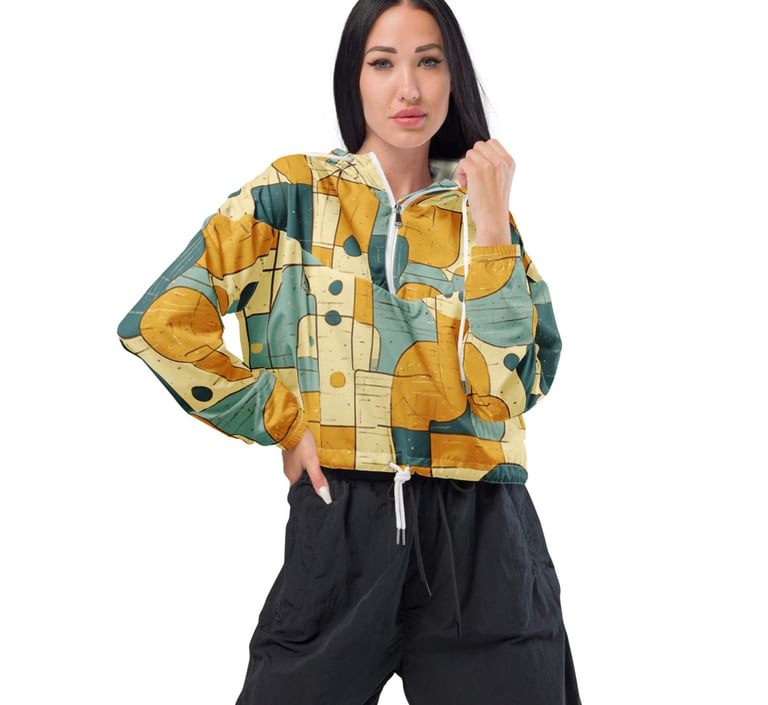
Product mock-ups for your online store
Guidance on launching your first collection
Why This Works
No inventory – products are made only when you sell
No upfront risk – start lean and validate your idea
Scalable – grow from 1 product to a full collection
Professional quality – designs built for real production
Our Process
Concept – You share your idea or niche
Design – We create premium, production-ready visuals
Setup – Products prepared for Printful integration
Launch – You start selling immediately
Start Simple (Refined Offer)
Get Your First 3 Products Designed
Perfect if you’re just starting out:
3 custom designs (jersey, hoodie, or t-shirt)
Print-ready files
Mock-ups for your store
A clear starting point. No overwhelm. No guesswork.
Ready to Launch?
Stop overthinking and start building your brand.
Get Started Now
or Request a Free Consultation
Standby Studios
Design. Build. Launch.
Your partner in print-on-demand product creation.
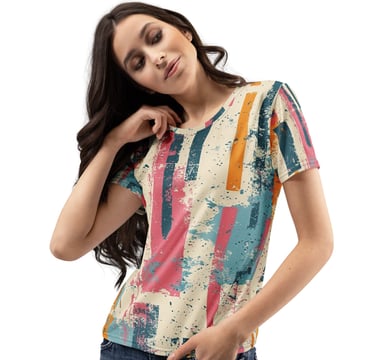
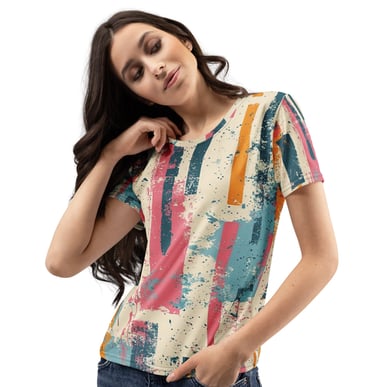
General sustainability statement:
Sustainability is important to Standby Studios. We’re getting better every step of the way while providing you with the quality products you deserve. It’s no secret that the apparel industry has a sustainability problem. We all know about the big apparel conglomerates that stockpile thousands of new items every week, adding to the growing problem of overproduction. To paint the picture, a shocking 21% of produced textiles are estimated to remain unsold. Needless to say, the end-of-life journey for the leftover stock is most often unknown
As Standby Studios works with on-demand suppliers, we only produce items when we get an order, avoiding textile waste from overproduction. Our printing partner’s high-quality printing tech creates almost no wastewater and uses less energy than standard industry printers.
Information about production:
Each product in our catalog is made on-demand—once you place an order, we produce it specifically for you. This allows us to avoid overproduction and textile waste, and we’re continuously working toward more sustainable production. Social media product promo Did you know that each of our product is made just for you? We only make [the product] when we receive your order, avoiding textile waste. So forget about mass-produced clothing, and let us create your one-of-a-kind quality piece!
Information about printing tech and materials:
Information about direct-to-garment printing
Note: This technique is typically used for products with high cotton fabric content, like t-shirts, hoodies, tote bags, etc.
Our clothing designs are fulfilled using various techniques. Many of our products are printed using the direct-to-garment (DTG) technique, where ink is first sprayed directly onto the garment and then absorbed into the fabric. It’s like printing on paper but on clothing. We use Kornit printers that generate almost no wastewater and consume less energy than standard industry printers, reducing our carbon footprint.
The inks we use for printing are Oeko-Tex™ certified, vegan, water-based, and free of harmful chemicals. Standby-studios takes sustainability seriously. That’s why we take care to properly dispose of any leftover ink according to the ink supplier guidelines.
Eco-friendly product materials:
There are many reasons why a product or material could be considered sustainable. Currently, at Standby Studios, our eco-friendly product collection consists of items made of at least 70% organic or recycled materials or a mix of these materials. All beauty products in this collection are natural certified. To verify material content, we collect valid certificates from our suppliers. To confirm the organic composition of our apparel, we only accept GOTS or OCS certificates. For recycled composition, we accept either GRS or RCS certificates. We only accept the Ecocert COSMOS certificate as proof of the beauty product’s natural origin.
Statement about production times:
Each product in our catalog is made-on-demand, which means once you place the order, we start working to get it to you. It takes time for us to create and send out the product, but making each order on-demand allows us to avoid overproduction. This way we get to take care of you and the planet we all share
Product packaging:
Note: This information applies to our in-house facilities. Products that are fulfilled in our partner facilities might be packaged differently.
At Standby Studios, all apparel products are packed in post-consumer recycled (PCR) plastic mailers. The amount of PCR in the packaging will differ depending on where your order gets printed, but it’s a minimum of 70% for both the outside (white or grey) poly mailer bags and the inside (clear) bags used in multi-item shipments. PCR packaging is made from everyday items like used plastic bags and bottles. This material protects your items just as well as regular plastic bags. However, choosing PCR over first-use plastics reduces the environmental impact plastic has on our planet
Shipping & Delivery Updates
We work with trusted global fulfillment partners to ensure reliable production and delivery timelines.
For the latest estimated production and shipping updates, please view the live fulfillment status
standby-studios © 2025
Terms & Conditions
We care about your data in our privacy policy.
Get the week's best tech and creator stories, every Friday
Subscribe to our newsletter and never miss a story.