
The New Minimalist Phone: How People Are Decluttering Their Digital Lives
SOCIAL MEDIA
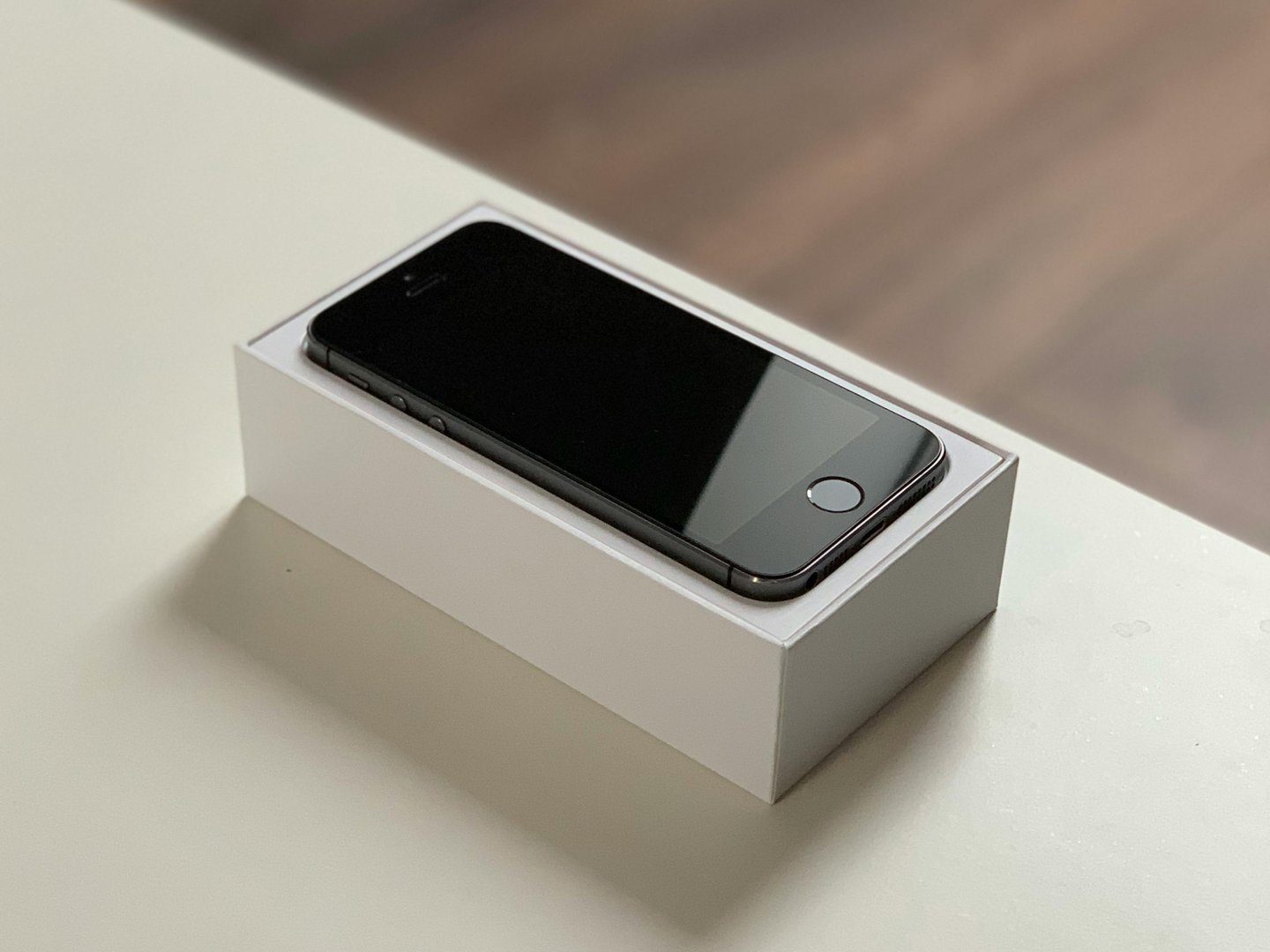
The rise of the minimalist phone
Smartphone fatigue and mental health concerns are driving a surge of interest in distraction-free or “dumb” phones, especially among Gen Z. Searches for basic and feature phones have climbed through 2024–2025, and more people are intentionally choosing devices that do less so they can live more.
Minimalist phones focus on essential functions such as calls, texts, alarms, and sometimes navigation, while leaving out social media, games, and most apps. Devices like the Light Phone series, Wisephone 2, and Mudita models exemplify this shift with calm interfaces, limited features, and long battery life.
Why people are decluttering their digital lives
Constant notifications, doom-scrolling, and app overload have been linked to anxiety, reduced productivity, and attention fragmentation. Many users report that their phones feel more like a source of pressure than a helpful tool, triggering FOMO and stress throughout the day.
Digital minimalism responds by asking a simple question: “What is my phone actually for?” When people strip their digital life back to tools that serve clear purposes, they free time and mental space for relationships, creativity, and offline experiences.
What makes a “minimalist phone”?
TA minimalist phone is less about specs and more about intentional design choices that protect the user’s attention. Typical characteristics include:
Limited apps: Only core utilities like calls, texts, maps, calendar, notes, and sometimes music or podcasts.
Calm interfaces: Black-and-white or simple UIs, often with e‑ink or low-clutter layouts to reduce visual noise.
Privacy and simplicity: No ad-driven social feeds, fewer data-collecting services, and straightforward settings.
Some people buy dedicated minimalist devices, while others “turn” their existing smartphone into a minimalist phone using software limits and decluttering habits.
How people are decluttering their phones
Many digital minimalists start by simplifying the device they already own rather than immediately switching hardware. Common practices include:
Deleting or offloading low-value apps such as social media, games, and news feeds that encourage compulsive checking.
Clearing the home screen so only essential tools are visible, hiding everything else in the app library or folders.
Turning off non-essential notifications and using Do Not Disturb or Focus modes on a schedule.
Some users go further by setting app time limits or uninstalling certain apps during the day, then reinstalling only when intentionally needed. Others keep their phones physically in another room during deep work or social time, using it more like a landline than a constant companion.
Beyond the device: decluttering your digital life
Digital minimalism extends past the phone itself into email, cloud storage, and content consumption. People are cleaning up old accounts, reducing subscriptions, and curating feeds to focus on genuinely valuable information.
Practical steps include:
Regularly archiving or deleting unused files, screenshots, and duplicate photos to keep storage lean and easier to navigate.
Unsubscribing from spammy newsletters and decluttering YouTube and podcast subscriptions to avoid information overload.
Using intentional “check-in” windows for email and social media instead of constant, reactive scrolling.
Framing the phone as a tool, not a lifestyle, helps people design a digital environment that supports their goals instead of competing with them
Related Stories
standby-studios © 2025
Terms & Conditions
We care about your data in our privacy policy.
Get the week's best tech and creator stories, every Friday
Subscribe to our newsletter and never miss a story.